Schematic Design
We translate owner goals into conceptual layouts and infrastructure narratives that support your SD packages.










We engage early to ensure IT, AV, and security systems are integrated into the architecture – not retrofitted after the fact.

Our up-to-date cost estimating and vendor-neutral guidance reduce reliance on placeholder numbers and help you avoid engineering surprises.

We align infrastructure plans with code, funding, and owner expectations – so your project keeps moving forward.
 Comprehensive Technology Expertise
From fiber and networks to AV, security, DAS, and specialty systems – we cover every facet of technology, so architects don’t have to.
 Accurate Cost Estimating
Our precise technology budgets prevent costly overruns and protect your project bottom line.
 Seamless Design Collaboration
We integrate with architecture, MEP, and all disciplines so technology complements – not conflicts with – your design.
.svg) Proven Experience & Process
Proven Experience & ProcessWith 35+ years in Divisions 25, 27, and 28, we manage the entire design cycle and reduce RFIs, change orders, and delays.
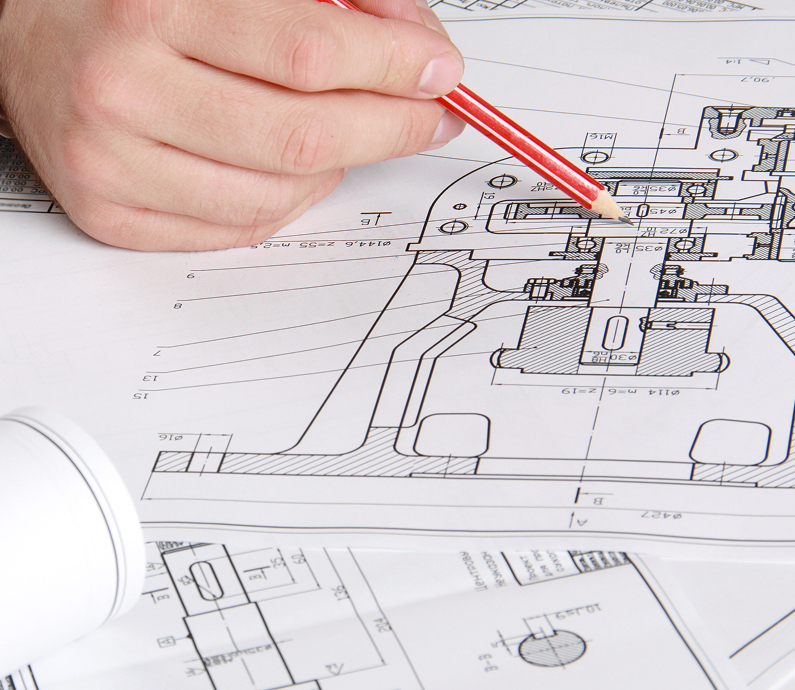
We translate owner goals into conceptual layouts and infrastructure narratives that support your SD packages.

Our consultants refine technology plans to align with MEP systems, code requirements, and design constraints.

We deliver coordinated drawings, specs, and narratives that hold up under bidding, permitting, and contractor review.

We help evaluate bids for scope, accuracy, and value – so your client gets what they expect at the right price.
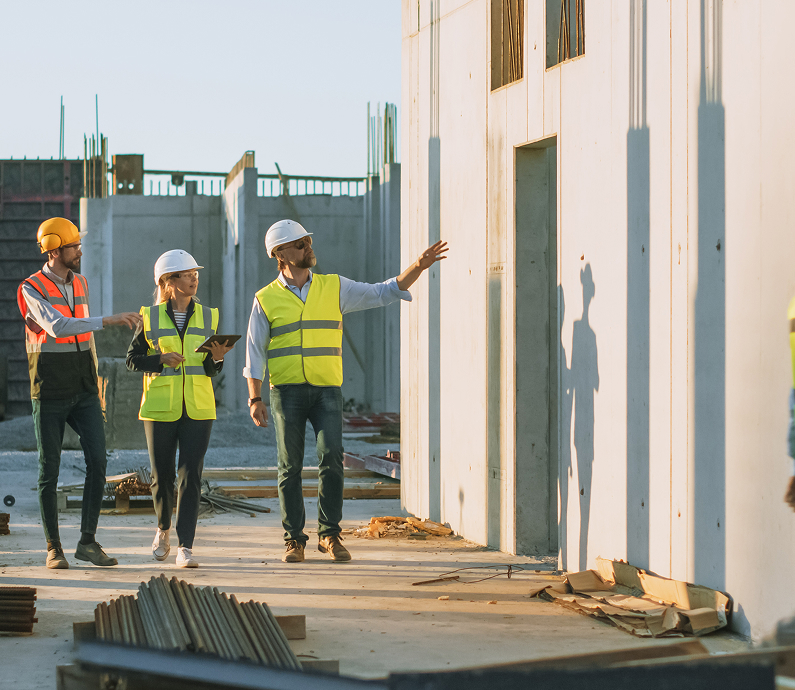
Our team stays engaged to respond to RFIs, review submittals, and perform site walks – ensuring the design intent is preserved.

We support system commissioning and owner training, and remain available for future upgrades or phase planning.

An architectural technology consultant is a design-side professional – vendor-neutral, engaged from schematic design, and producing coordinated construction documents that go into the bid set. The role is distinct from an IT contractor or AV integrator, whose business model depends on the systems they install. A genuine technology consultant is vendor-neutral, with no financial stake in what gets specified.
The technology systems architects need to coordinate are broader than most project teams expect. The right architectural technology consultant works alongside the architect and MEP engineer to create construction documents – drawings, specifications, and schedules – that describe what the building's technology systems require and enable competitive bidding by qualified contractors.
For principals assembling a team for your next building project, knowing what questions to ask when evaluating a technology design consultant is what separates a strong engagement from a costly mismatch.
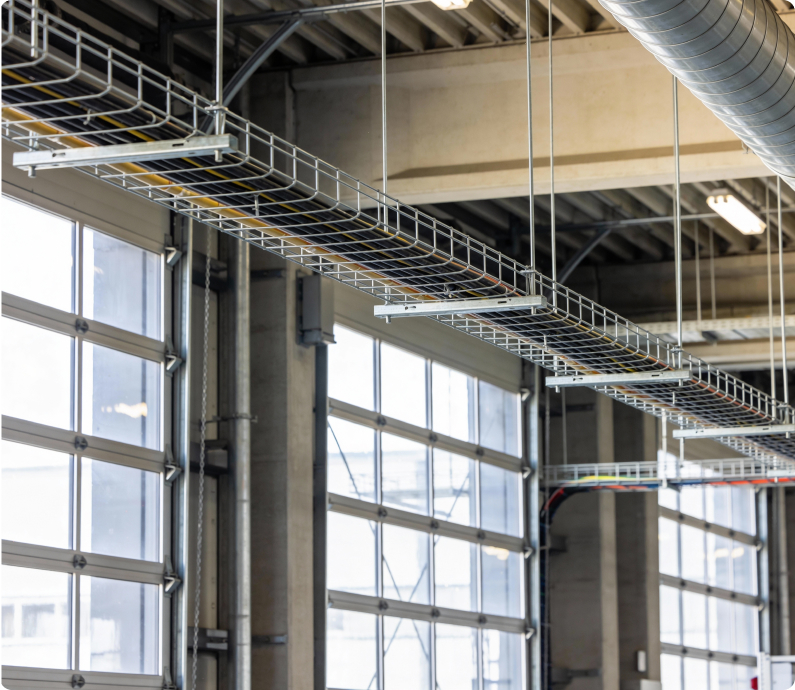
Structured cabling is the physical backbone through which every other technology system in a building connects. Getting structured cabling design for commercial buildings right requires engagement during schematic design, not after CDs are issued.
Low-voltage design is the process of developing a plan to integrate and commission low-voltage systems in a building. When it’s deferred to the construction phase, contractors are left to interpret drawings that weren't developed with those systems in mind.
Engaging a low-voltage consultant on a building project can help you produce the coordinated drawings and specifications that prevent those gaps.
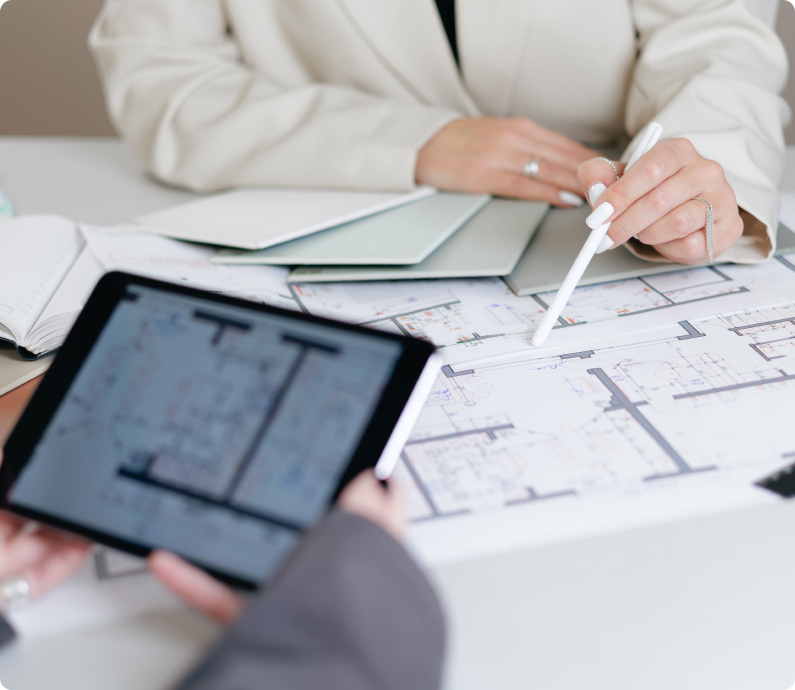
MEP coordination is the process of integrating mechanical, electrical, plumbing, and technology systems into a building design so they don't conflict with one another or with the building's structural and architectural elements.
Technology systems like AV, structured cabling, access control, and network infrastructure have physical requirements that affect every other building system on a project. When those requirements aren't defined during schematic design, they show up as change orders, RFIs, and cost overruns that could have been prevented weeks earlier on a drawing.
Engaging a technology consultant during SD helps establish the project's technology systems requirements, coordinate with the MEP and architectural drawings, and produce construction documents that contractors can price and build without gaps. The coordination window that matters most is design development – and that's where we do our most intensive work.

AV system design isn't a construction-phase decision. Conference room displays, distributed audio, video conferencing, digital signage, and auditorium systems all have structural, mechanical, and electrical requirements that must be coordinated with the rest of the building during AV system design development, rather than discovered on the jobsite.
A vendor-neutral AV design consultant produces drawings and specifications that become part of the bid set, enabling multiple qualified contractors to submit competitive bids. When an integrator writes their own scope instead, the specification reflects what that integrator sells – not what the project independently requires.
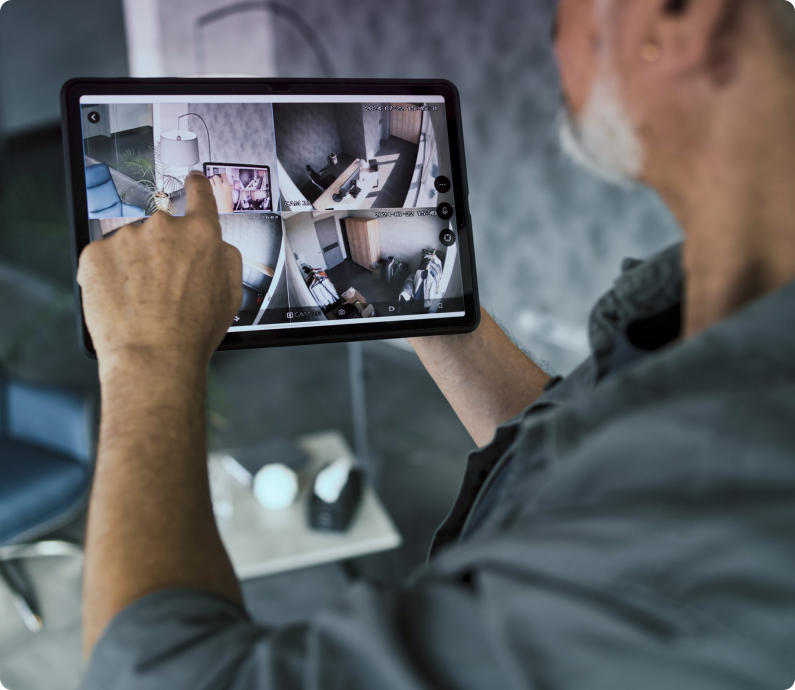
Electronic security systems such as access control, video surveillance, and intrusion detection have coordination requirements that are just as design-intensive as those of any Division 27 system.
Door hardware integration, conduit routing, equipment room co-location, and security zone boundaries must be established during design development and coordinated with the architectural and MEP drawings before CDs are issued.
Division 28 scope sits outside the standard MEP engineering contract. When it isn't clearly assigned to a qualified security system design consultant during design, contractors have to fill the gaps at bid, which leads to assumptions and substitutions that generate change orders.

Network infrastructure has its own set of design-phase requirements. Equipment room rack counts, power and cooling loads from active network gear, and telecommunications room sizing all depend on the network design being established during design development, not after CDs are issued.
When IT infrastructure design is deferred to the construction phase, it results in rooms that don't accommodate the equipment and a physical infrastructure that doesn't align with the network architecture. A network infrastructure consultant fills this gap by producing designs that support the active systems before the rooms that house them are locked into the construction documents.
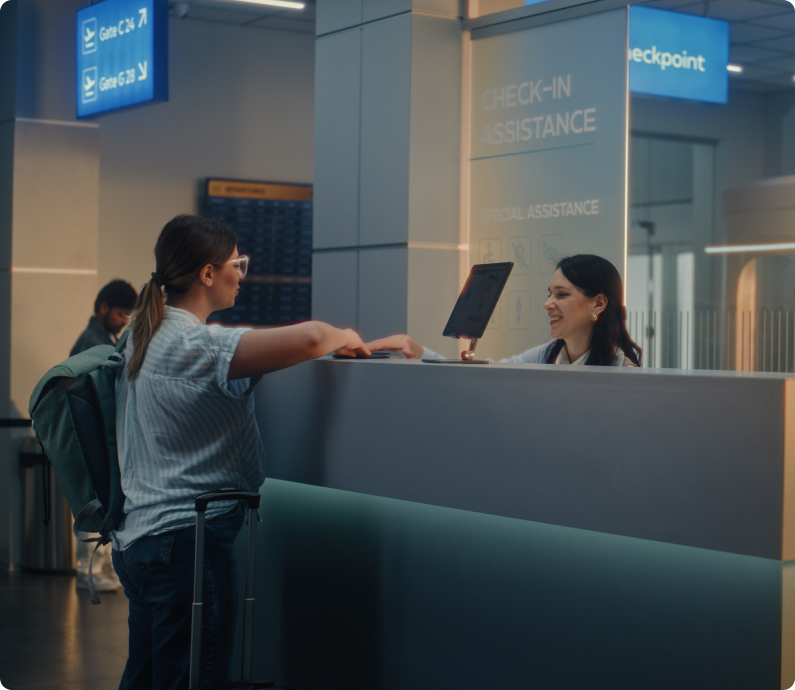
The technology coordination requirements on large venues, airports, healthcare facilities, and government buildings extend well beyond what standard commercial projects involve. For example:
TMC's consultants have worked on some of the most complex technology coordination projects in the Midwestern region – including US Bank Stadium, Sioux Center Hospital, and Minneapolis–Saint Paul International Airport – across all of these building types.