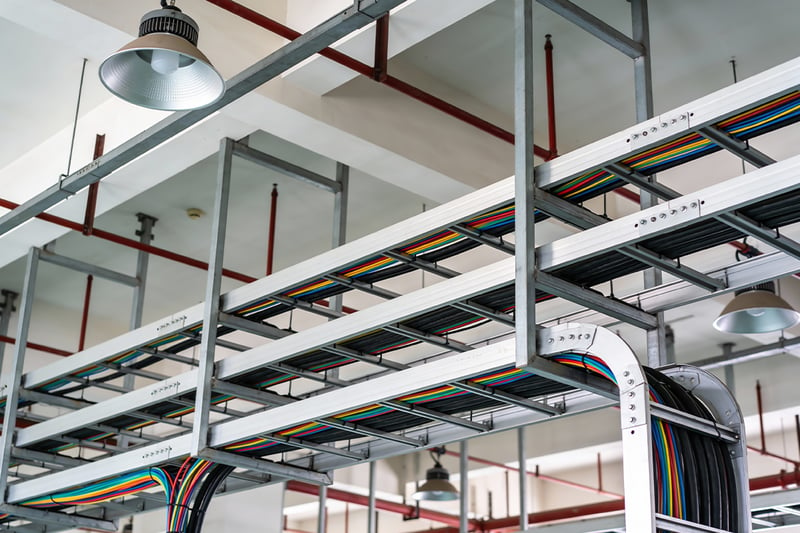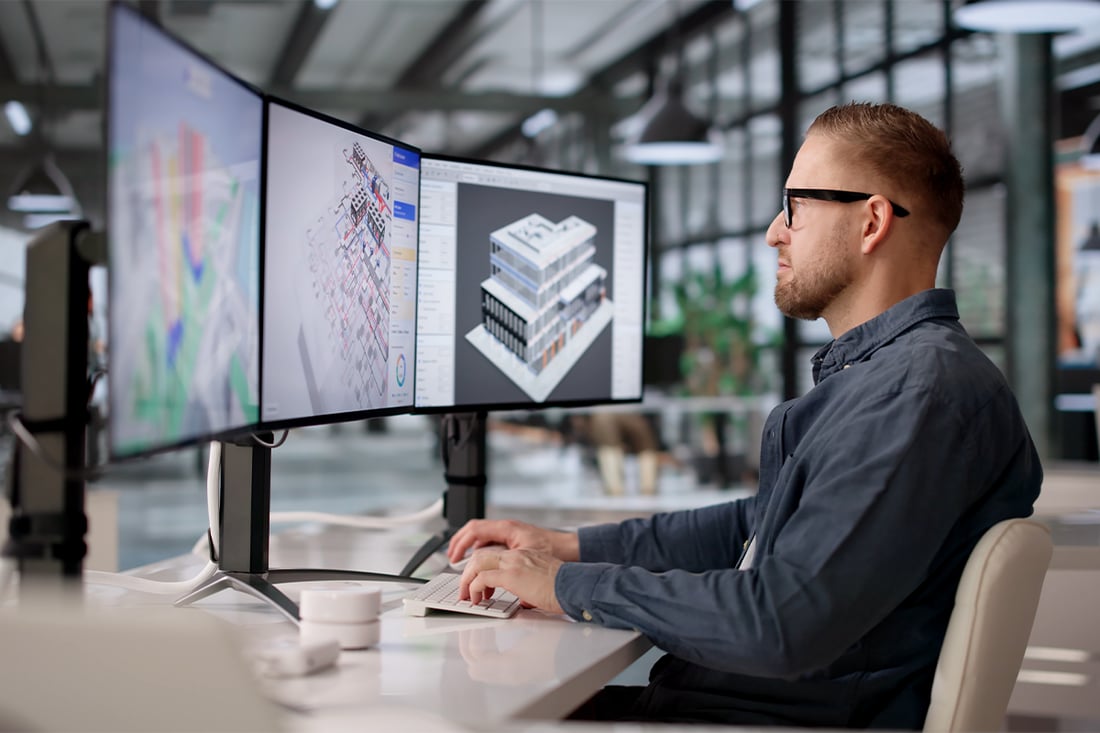

MEP coordination is the process of integrating a building's mechanical, electrical, and plumbing systems so they work together within the physical constraints of the structure. It ensures that ductwork, pipes, conduit, and equipment don't conflict with one another or with the building's architectural elements.
Technology is a separate scope that has to be coordinated alongside the MEP work. Systems like AV, structured cabling, access control, and network infrastructure carry their own physical requirements that need to be integrated with the mechanical, electrical, and plumbing design. But because they sometimes sit outside of a typical MEP engineer's discipline, these systems call for a dedicated technology consultant to define and coordinate them properly.
In this blog, we'll explain what MEP coordination involves, where technology fits in relation to it, and why that distinction matters for your project.
What Does MEP Coordination Involve?
At its core, MEP coordination is about resolving conflicts before construction begins. Picture a duct run that crosses a structural beam – this is much less expensive to resolve on a drawing than in the field, which is why coordination should happen throughout design rather than at the end of it.
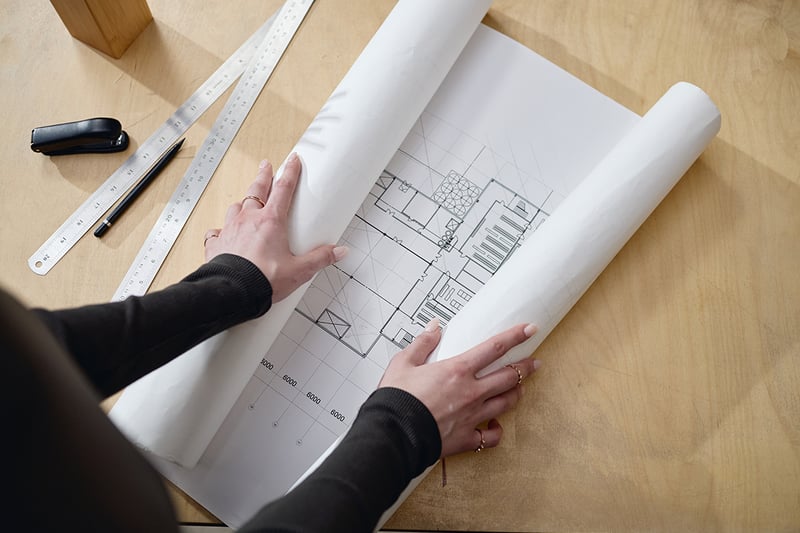
Coordination involves the architect, structural engineer, and MEP engineers working together to create a set of construction documents in which every system has a defined location, a clear pathway, and sufficient space to be installed as designed.
Where Does Technology Fit in MEP Coordination?
Technology is its own scope that runs parallel to MEP. It still has to be coordinated with the mechanical, electrical, and plumbing systems, but it has an entirely different scope – and because it's almost always the last to be defined, it’s the last to surface conflicts.

Unlike mechanical, electrical, or plumbing systems, which are designed by licensed engineers under standard engineering contracts, technology systems typically require a separate technology design consultant. The systems that fall under technology coordination include:
- Audiovisual (AV) systems
- Structured cabling and low-voltage infrastructure (Division 27)
- Access control and electronic security systems (Division 28)
- Distributed antenna systems (DAS)
- Network infrastructure
Each of these has physical requirements that need to be coordinated with the MEP engineering and architectural drawings during design development. When technology coordination is handled well, the construction documents are complete enough that technology contractors can price and build the work accurately. When it's not, those gaps surface as RFIs and change orders during construction.
MEP Coordination FAQs
Why an MEP Engineer Doesn't Replace a Technology Consultant
A common misconception is that the MEP engineer handles technology systems as part of their standard scope. But while many engineering firms can provide some technology aspects among their services, it’s different from the full stack of systems a dedicated technology designer brings to a project.
Where MEP engineers tend to be comfortable is the infrastructure layer: pathways, fiber, structured cabling, riser design, and WiFi. However, the depth of technology design sits well beyond that. Networks, AV, DAS for cellular and public safety, ERRC systems, phone systems, other specialized systems, and integration with a client’s enterprise platforms all carry requirements that the infrastructure view doesn't account for.
An MEP engineer will typically specify conduit sizes and stub-out locations based on general assumptions about technology load. A technology design consultant will specify conduit sizes and locations based on the actual systems the project requires, and will coordinate those requirements directly with the MEP engineer during design development. The two roles are complementary, not redundant.
Engaging a technology consultant like TMC early during design development or at CDs is better than not engaging one at all, though it typically means some rework on the architectural and MEP drawings to accommodate technology requirements that weren't anticipated earlier. That rework is avoidable with earlier engagement.
Reach out today to learn how TMC works with architectural firms on technology coordination.