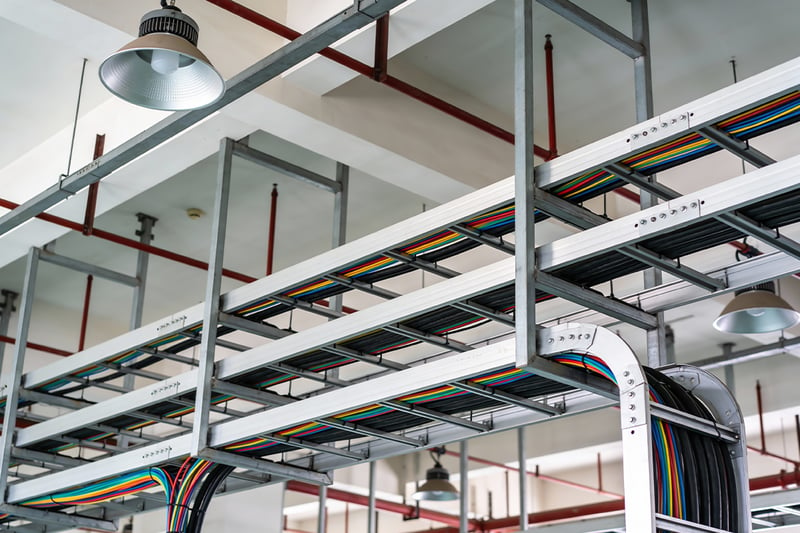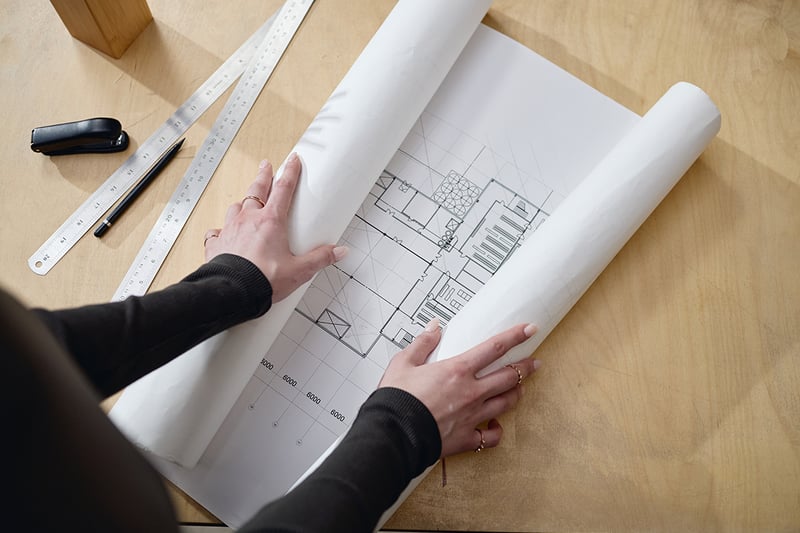

TL;DR
- Technology decisions made late in a project – after construction documents are issued – are far more expensive to change than those addressed during schematic design or design development.
- MEP coordination is where technology gaps are most likely to surface as RFIs, change orders, and construction delays if the technology scope hasn't been clearly defined.
- A technology consultant engages alongside the design team from SD through CDs – covering AV, structured cabling, access control, network infrastructure, and DAS.
- Bringing a technology consultant in early reduces avoidable RFIs, eliminates common scope conflicts, and helps owners get infrastructure that actually matches the project's requirements.
Why Is Late MEP Coordination So Costly?
Most technology problems on a construction project don't start in the field. They start months earlier, when the technology scope is left undefined during design – or handed off to a contractor to figure out at bid. By the time those gaps surface as RFIs or change orders, the cost to resolve them is many times higher than it would have been to address them during schematic design.
The pattern holds even as the industry spends more on digital coordination than ever. 92% of construction projects still report budget overruns of 6% or more¹, and the cause isn't a shortage of technology. It's a persistent gap between how projects are designed and how they get built. Coordination failures at the interface between technology systems and the rest of the building are a primary driver of that gap.
In this blog, we'll explain how a technology consultant for architects can reduce MEP coordination risk across each design phase, and how early engagement helps prevent the RFIs and change orders that come up during construction.
What Does MEP Coordination Cover?
MEP coordination integrates mechanical, electrical, plumbing, and technology systems within a building's design so they don't conflict with one another, or with the structural and architectural elements of the building. It runs across all three major design phases – schematic design, design development, and construction documents.
Technology is a separate design scope that must be coordinated with MEP, not a subset of the MEP engineer's work. An electrical engineer can usually handle the infrastructure layer, fiber, copper, structured cabling pathways, and riser design, but a complete technology scope can reach well beyond that into:
- Network design
- In-depth AV
- Distributed antenna systems for cellular and public safety
- Emergency responder radio coverage
- Other specialized systems
Many architectural firms assume that MEP engineers can cover these intricate systems, and as a result, the technology scope is often left fragmented. That fragmentation creates coordination risk. Conduit routes get specified without knowing what they'll carry, while equipment rooms get sized without accounting for rack density, cable management, or cooling load from active technology equipment. Each of those gaps is a future RFI waiting to happen.
The Technology Design Phase Engagement Model
A technology consultant delivers the most value when engaged early, and each design phase presents its own coordination opportunities along with its own risks when the technology scope is absent.
1. Schematic Design
Schematic design is where an architectural technology consultant has the most leverage. Decisions about equipment room location, conduit routing strategy, ceiling system type, and power and cooling allocation are all still open, and getting them right at SD means they’ll flow into DD and CDs without forcing a redesign later.
A technology consultant engaged at SD will establish the technology program for the project – what systems are required, where the primary infrastructure lives, what the owner's performance requirements are, and how technology systems will integrate with the building's architectural and structural systems. That program becomes the foundation for coordination throughout the rest of the design.
2. Design Development
Design development is where technology requirements move from concept to specifics. Conduit sizes get determined, equipment room layouts get developed, and pathways get coordinated with the ceiling system and the MEP rough-in drawings. This is the phase where a technology consultant works most closely with the MEP engineer and the architect to ensure technology requirements are fully reflected in the contract documents.
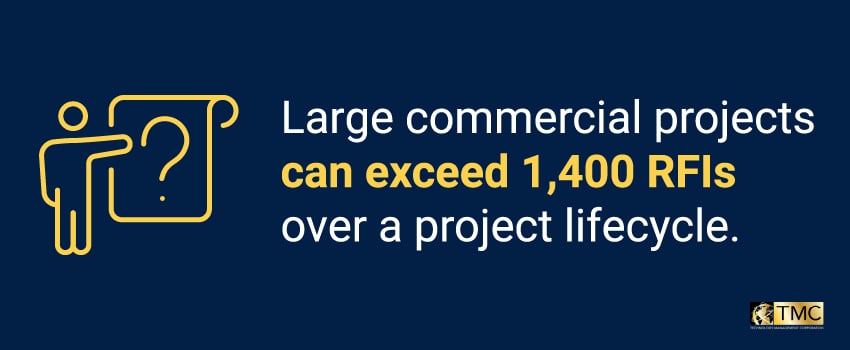
RFI volume on construction projects is directly related to the quality of coordination that happens during DD. Large commercial projects can exceed 1,400 RFIs over a project lifecycle², with coordination conflicts between technology and MEP systems among the most common sources. Getting those conflicts resolved in DD – where they cost a drawing revision – is categorically different from resolving them in the field, where they cost remobilization, rework, and schedule compression.
3. Construction Documents
CDs are where the technology scope must be fully specified, coordinated, and ready to go out to bid. A technology consultant ensures that the T-layer drawings, specifications, and schedules are complete, consistent with the architectural and MEP drawings, and clear enough that contractors can price them accurately.
Incomplete technology CDs are one of the most reliable predictors of high RFI volume during construction. When the scope isn't defined in the documents, it gets defined by contractors interpreting the drawings differently – which produces conflicts, substitution requests, and change orders that could have been avoided with better upfront documentation.
What Happens Without MEP Technology Coordination for Building Design?
The most common failure mode isn't a dramatic coordination breakdown. It's a quiet accumulation of small gaps that compounds over the course of a project. An equipment room that's too small to fit the required rack count. A ceiling plenum that has no pathway for low-voltage cabling because mechanical runs were routed without technology in the room. A conduit stub that terminates in the wrong location because nobody confirmed routing during DD.
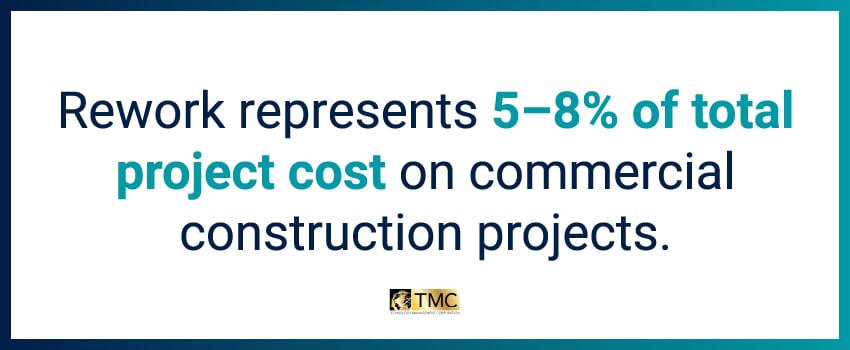
Each of those issues generates an RFI. Each RFI takes days to resolve, delays work on that portion of the project, and may affect adjacent trades. Research from PlanRadar found that rework – much of it driven by coordination gaps – still represents 5–8% of total project cost on commercial construction projects³, even after years of improvement in coordination practices.
The cost adds up even more when the technology scope gets deferred to the construction phase entirely. A technology contractor bidding without a complete design will scope conservatively, build in allowances for unknowns, and lean on the RFI process to close gaps, which is a clear path to change orders. Defining the technology scope during design, coordinating it with the full project team, and documenting it in the CDs removes the ambiguity that drives those costs.
How Does a Technology Consultant Work Alongside the Architect?
A technology consultant isn't a vendor, an integrator, or a contractor. The role is design-side – working alongside the architect and MEP engineer to develop the technology program, produce T-layer drawings, and write technology specs that go into the contract documents. The consultant has no stake in which equipment gets installed; the goal is to define what the project requires and make sure it's coordinated and documented before the project goes to bid.
That vendor-neutral position matters most during the specification phase. An integrator writing its own scope will specify what it sells, while a technology consultant specifies what the project needs, with performance standards that multiple qualified contractors can meet. The result is more competitive bids, more accurate pricing, and fewer substitution requests once construction starts.
TMC works with architectural firms on projects ranging from corporate campuses to government facilities, stadiums, healthcare environments, and airports. The engagement typically begins at SD and runs through construction administration – reviewing submittals, responding to technology-related RFIs, and confirming that installed systems match the design intent. The earlier the engagement begins, the more value the coordination work delivers.
Frequently Asked Questions
Get answers to the most common points of confusion architects and design directors have when structuring the technology scope below.
When should an architect bring in a technology consultant?
The most effective point to engage a technology consultant is at the start of schematic design, when technology program requirements, equipment room locations, and infrastructure routing strategies are still being established. Engaging at SD ensures that technology requirements are built into the architectural and MEP design from the beginning rather than being retrofitted into a design that was developed without them.
What is MEP coordination, and who handles technology?
MEP coordination involves integrating mechanical, electrical, plumbing, and technology systems within a building design so they don't conflict with one another. MEP engineers handle mechanical, electrical, and plumbing systems under their standard scope.
Technology systems, including AV, structured cabling, access control, network infrastructure, and DAS, are a separate design discipline outside the standard MEP engineering scope, and they require a dedicated technology design consultant to define and coordinate.
Do I need a technology consultant if I already have an MEP engineer?
An MEP engineer covers power distribution, conduit rough-in, and lighting – not the design of technology systems that occupy that conduit. AV system design, structured cabling design, access control design, and DAS planning require technology-specific expertise and produce separate design documents.
An MEP engineer and a technology consultant handle adjacent but distinct scopes, and both are typically needed on commercial building projects with significant technology requirements.
How does a technology consultant reduce project risk?
A technology consultant reduces risk by defining technology scope clearly during design, coordinating that scope with the MEP and architectural drawings, and producing construction documents that contractors can bid accurately. That eliminates the ambiguity that drives RFIs, change orders, and substitution requests.
It also ensures that equipment room sizing, power and cooling loads, conduit routing, and pathway requirements are coordinated with the rest of the building before they're locked into the contract documents.
How does technology coordination prevent change orders?
Most technology-related change orders trace back to a scope that wasn't defined during design – missing conduit routes, undersized equipment rooms, uncoordinated ceiling pathways, or specifications that left room for contractor interpretation. When a technology consultant coordinates these requirements during SD, DD, and CDs, the contract documents are complete enough that contractors can price the work accurately and build without gaps.
What is the role of a technology consultant in schematic design?
During schematic design, a technology consultant establishes the technology program for the project: what systems are required, where the primary infrastructure will be located, what the owner's performance requirements are, and how technology systems will interface with the building's architectural and structural elements. The output is a technology program and preliminary infrastructure layout that informs the MEP engineering scope and the architectural design of equipment rooms, ceiling systems, and conduit pathways.
TMC: Your Change Order Prevention Partner
Issues like RFIs and change orders during construction on technology-intensive projects usually trace back to a technology scope that was left undefined during design, handed off at bid, or coordinated too late to matter. Those gaps are avoidable when technology is in the room from schematic design forward.
At TMC, we've been supporting architects on technology-intensive building projects since 1987 – through schematic design, design development, construction documents, bidding, and construction administration. We work alongside the architect and MEP engineer to develop the technology program, produce T-layer drawings that coordinate with other systems, write vendor-neutral specifications, and deliver cost estimates that hold up at bid.
If you're structuring technology scope on a project and want to close the coordination gaps before they become field problems, get in touch with TMC to discuss how we can support your process from early design through closeout.